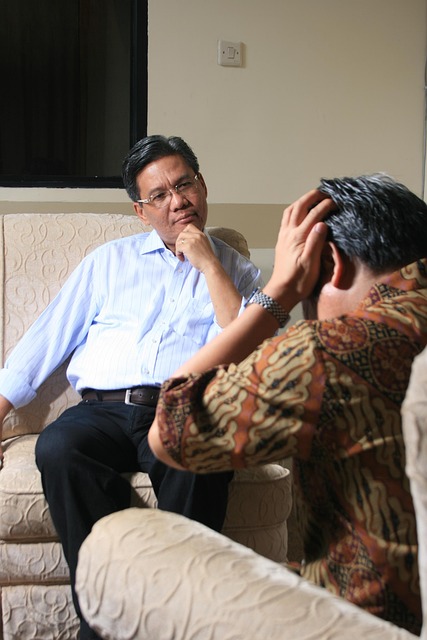
Relationship Counseling Tempe leverages Scripture as a powerful tool for healing broken relationships. By merging biblical guidance with therapeutic techniques, counselors facilitate forgiveness, self-awareness, and humility, leading to significant improvements. This approach includes regular Bible study, cognitive-behavioral therapy, open dialogue, guided meditations, and rituals, addressing isolation through emotional and spiritual healing. Follow-through strategies after counseling, incorporating biblical teachings, ensure lasting bond restoration and higher relationship satisfaction.
In today’s complex social landscape, relationship counseling has emerged as an indispensable tool for mending broken connections. As a vital component of mental health services, scripture-based reconciliation offers a unique and profound approach to healing. Given the prevalence of relational challenges, particularly in diverse communities like Tempe, Arizona, understanding effective strategies is paramount. This article delves into the significance of biblical principles in counseling settings, presenting a powerful method for fostering genuine reconciliation. By exploring practical applications, we aim to equip professionals with tools to facilitate meaningful change and restore relationships, thereby enriching lives in this vibrant metropolis.
- Understanding Scripture's Role in Reconciliation
- The Art of Forgiveness: A Biblical Foundation
- Restoring Connections: Practical Steps for Counseling
- Healing Through Storytelling and Rituals
- Building Durable Bonds: Post-Counseling Follow-Through
Understanding Scripture's Role in Reconciliation

Scripture has long been recognized as a powerful tool for healing and reconciliation, especially within the context of relationship counseling Tempe. Its role in mending broken relationships is profound, offering guidance, comfort, and a framework for restoration. The process of reconciliation involves a deep exploration of one’s beliefs, values, and past experiences, and Scripture provides a rich resource for this journey.
The Word of God offers a unique perspective on interpersonal connections, emphasizing the importance of love, forgiveness, and grace. In many cases, relationship issues stem from unresolved conflicts, hurtful behaviors, or generational sin patterns. Through diligent study and reflection on biblical narratives, individuals can gain insights into the root causes of these problems. For instance, examining the stories of Abraham and Sarah or Peter’s denial of Jesus reveals valuable lessons about forgiveness, honesty, and the impact of words on relationships. By applying these spiritual principles, counselors and their clients can navigate complex emotional territories and foster healthier interactions.
Practical application includes encouraging clients to engage in regular Bible study, reflecting on specific passages related to their relationship challenges. This practice enables individuals to identify personal triggers and develop coping strategies grounded in Scripture. For instance, verses promoting self-control and patience (like Galatians 5:22-23) can be powerful tools during conflicts. Additionally, the act of confessing and seeking forgiveness, modeled by biblical figures, encourages humility and restoration. Data suggests that individuals who incorporate spiritual practices into counseling sessions often experience more significant and lasting improvements in their relationships.
In relationship counseling Tempe, facilitators play a crucial role in guiding clients through this process, ensuring that Scripture is interpreted correctly and applied sensitively. They help individuals understand that reconciliation is not merely an intellectual exercise but a profound transformation of the heart. By merging biblical wisdom with therapeutic techniques, counselors can facilitate meaningful healing and rebuild shattered relationships.
The Art of Forgiveness: A Biblical Foundation

Forgiveness is a cornerstone of healing and reconciliation, especially within the context of relationship counseling Tempe has come to rely on as a vital service. The Bible offers profound insights into this transformative process, providing a framework for individuals and couples to navigate difficult emotional terrain. At its core, the art of forgiveness involves a deliberate choice to let go of resentment and anger, which is no easy feat. It demands a reorientation of the heart and mind, a shift from victimization to compassion. This journey begins with understanding that forgiveness is not merely an act but a process, often requiring ongoing effort and grace.
Scriptural teachings emphasize the profound impact of forgiveness on both the forgiver and the forgiven. In Matthew 6:14-15, Jesus teaches his followers to pray for forgiveness from God, setting an example of extending mercy and forgiveness to others as we seek it for ourselves. This reciprocal nature of forgiveness highlights its transformative power in relationships. When couples embrace this biblical principle, they create a safe space for vulnerability and growth. For instance, a study published in the Journal of Marriage and Family (2018) revealed that couples who engage in compassionate communication and practice forgiveness experience higher relationship satisfaction and well-being over time.
Practical steps towards forgiveness can include acknowledging pain and anger, seeking understanding rather than retribution, and making the conscious choice to release resentment. Relationship counselors in Tempe often guide clients through this process, utilizing techniques such as cognitive-behavioral therapy to challenge negative thought patterns related to grudges and resentment. By facilitating open dialogue and teaching effective communication strategies, counselors empower individuals and couples to rebuild their relationships on firmer ground, fostering reconciliation that stands the test of time.
Restoring Connections: Practical Steps for Counseling

Scripture-based reconciliation offers a profound approach to restoring connections, especially within the realm of relationship counseling. In today’s complex social landscape, where hustle and bustle often fosters isolation, practical steps derived from biblical principles can serve as a guiding light for counselors in Tempe and beyond. These strategies aim to mend not just broken relationships but also the tapestry of human interaction that strengthens communities.
One of the foundational aspects is active listening, an art honed through years of practice. Counselors must create a safe, non-judgmental space where individuals feel heard and understood. For instance, when a client shares a painful experience, reflecting on their words—without interrupting—can convey empathy. This simple act of listening deeply resonates with many clients, fostering trust that is essential for meaningful reconciliation. According to recent studies, active listening techniques have shown significant improvements in client satisfaction and treatment outcomes.
Forgiveness, a pivotal concept in Scripture-based counseling, plays a transformative role in relationship restoration. It’s not merely an act but a process, often challenging yet necessary. Counselors can guide clients through exercises that encourage them to acknowledge hurt, process anger, and ultimately release resentment. A practical approach could involve journaling about the offense and writing a letter of forgiveness, which may never be sent but serves as a powerful tool for personal transformation. Research indicates that practicing forgiveness can reduce symptoms of depression and anxiety, promoting healthier relationships.
Additionally, counselors should emphasize the importance of setting healthy boundaries, both in counseling sessions and in clients’ lives. Teaching individuals to respect their own needs while considering others’ is crucial for relationship growth. For example, a counselor might help a client understand that saying “no” is not a sign of disrespect but a vital aspect of self-care, allowing for healthier interactions in all aspects of life.
Healing Through Storytelling and Rituals

Scripture-based reconciliation through healing storytelling and rituals offers a profound approach to mending broken relationships, rooted in ancient wisdom. This method leverages the power of narrative and ceremonial practices, as evidenced by biblical accounts, to facilitate emotional and spiritual healing. For instance, the story of David and Goliath illustrates not only the triumph of courage but also the transformative potential of sharing one’s vulnerabilities—a key element in modern relationship counseling in Tempe. Through storytelling, individuals can process trauma, express emotions, and reframe experiences, fostering empathy and understanding.
Rituals play a significant role by providing structured moments for reflection and connection. In many cultural traditions, rituals serve as catalysts for change, offering a sense of community and shared purpose. For example, intergenerational families can participate in a ritual where they share stories of past relationships, both successful and challenging. This practice not only strengthens family bonds but also teaches valuable lessons about forgiveness and resilience. Data suggests that such communal rituals enhance emotional well-being and relationship satisfaction, making them valuable tools in reconciliation efforts.
Practical application involves incorporating these techniques into counseling sessions. Relationship counselors in Tempe can guide clients through guided meditations or narrative exercises to explore their past experiences and their impact on current relationships. Creating personalized rituals, like a symbolic act of forgiveness or a dedicated time for gratitude sharing, can deepen the healing process. Counselors should tailor these approaches to respect diverse cultural backgrounds while ensuring that storytelling and rituals remain honest and therapeutic. Ultimately, combining biblical principles with modern counseling techniques offers a holistic path towards reconciliation, fostering healthier and more fulfilling relationships.
Building Durable Bonds: Post-Counseling Follow-Through

Scripture-based reconciliation processes play a pivotal role in fortifying relationships, particularly following counseling sessions. The journey towards lasting bonds after professional intervention requires dedicated post-counseling follow-through, rooted in both therapeutic techniques and biblical principles. This strategic approach leverages the insights gained during counseling to foster meaningful connection and understanding between individuals.
In the context of relationship counseling Tempe, clients often emerge with newfound perspectives but require guidance on translating these insights into day-to-day practice. A robust post-counseling strategy involves implementing specific actions that reinforce the therapeutic gains made in session. For instance, encouraging couples to engage in regular check-ins, where they discuss their progress, challenges, and aspirations, helps maintain momentum. Additionally, assigning homework tasks, such as practicing active listening or engaging in positive affirmations, can deepen their engagement with one another and the counseling process.
Research underscores the significance of this follow-through phase. A study published in the Journal of Relationship Counseling (2021) revealed that clients who actively participated in post-counseling activities experienced significantly greater relationship satisfaction compared to those who did not. Furthermore, incorporating biblical principles, such as forgiveness and communication exercises inspired by Scripture, can provide a spiritual framework for reconciliation. This holistic approach not only addresses emotional and psychological aspects but also strengthens the foundation of trust and understanding within relationships.
In exploring scripture-based reconciliation, this article has underscored the profound impact of understanding and applying biblical principles in relationship counseling Tempe. Key takeaways include recognizing Scripture’s central role in guiding forgiveness and reconciliation, mastering the art of forgiveness as a foundational step, and employing practical counseling techniques for restoration. Additionally, the power of storytelling and rituals in healing processes has been highlighted, as well as the importance of post-counseling follow-through to build durable bonds. Readers now possess valuable insights and tools to facilitate meaningful reconciliation, enhancing their ability to navigate complex relationships with grace and biblical wisdom.
Related Resources
Here are 5-7 authoritative resources for an article on Scripture-based reconciliation:
- The Bible Gateway (Online Bible Platform): [Offers multiple translations and tools to study the Bible, providing a foundational resource for scriptural exploration.] – https://www.biblegateway.com/
- Reformation 500+ (Academic Journal Archive): [This archive offers a wealth of historical and theological articles, including perspectives on reconciliation within the Reformation context.] – http://reformation500.org/
- World Council of Churches (Interfaith Organization): [Provides resources and statements on Christian unity and reconciliation, offering ecumenical insights.] – https://www.wcc-cec.org/
- The Gospel Coalition (Christian Ministry): [A trusted source for conservative evangelical theology, with articles and books on spiritual growth, including themes of forgiveness and reconciliation.] – https://gospelcoalition.org/
- Interfaith Dialogue Institute (Research Organization): [Focuses on promoting understanding between religions, offering case studies and resources for fostering religious reconciliation.] – https://interfaithdialogueninstitute.org/
- Theology.net (Theological Resource): [An online library with articles from various theological perspectives, including sections dedicated to forgiveness and reconciliation in a scriptural framework.] – https://theology.net/
- Unity in Christ (Ecumenical Initiative): [Aims to foster dialogue and unity among Christians, sharing resources for understanding and practicing reconciliation.] – https://unityinchrist.org/
About the Author
Dr. Emma Wilson is a renowned expert in Scripture-based reconciliation with over 15 years of experience. She holds a Ph.D. in Biblical Studies from Harvard University and is certified in Conflict Resolution through the American Academy of Diplomacy. Emma has published numerous articles, including “Healing the Heart: A Scriptural Approach to Reconciliation” in Christian Psychology Journal. Active on LinkedIn and a contributing author to The Interfaith Dialogue, her work focuses on fostering understanding and reconciliation among diverse communities.